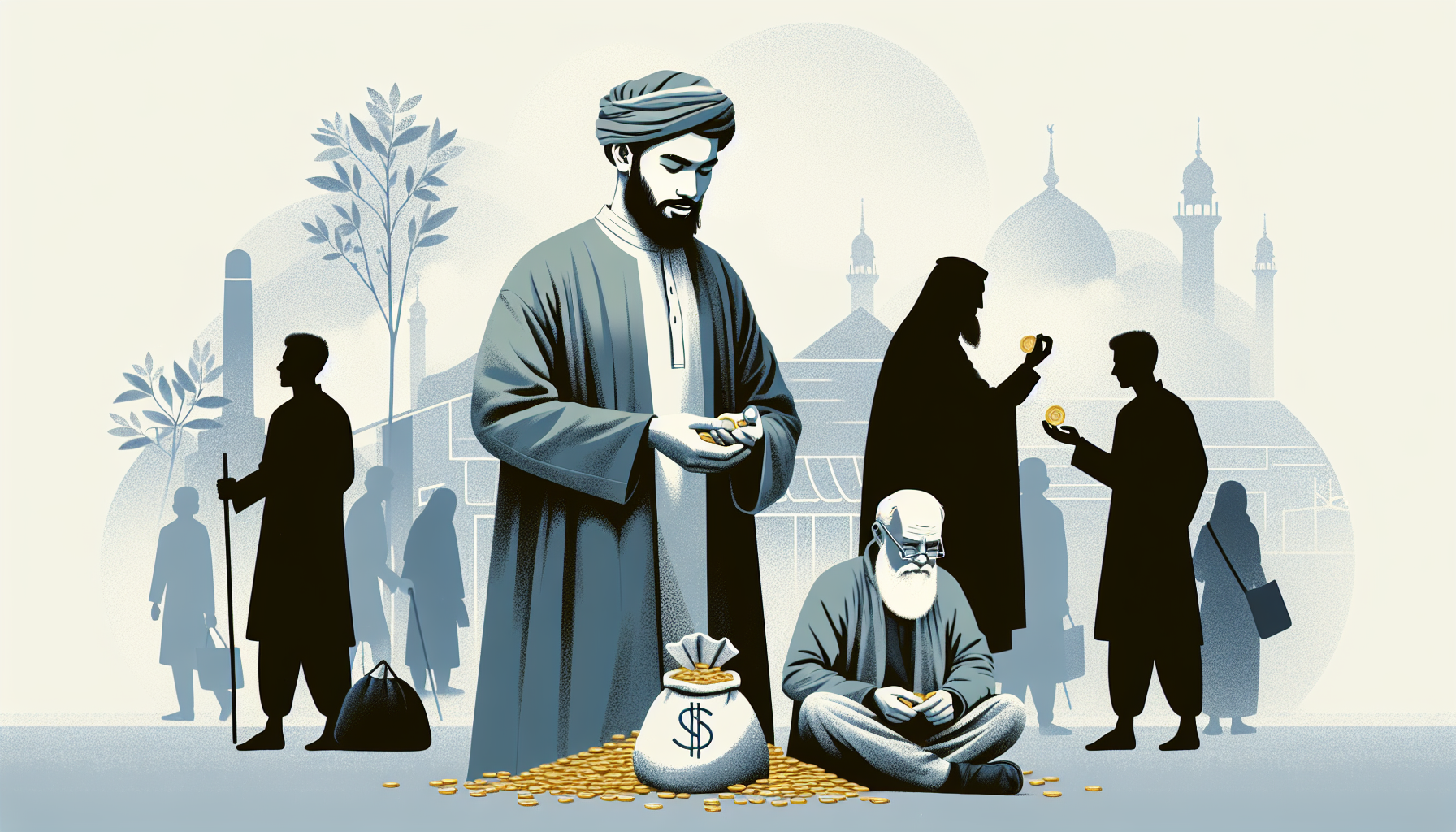
The Honest Merchant: A Tale of Integrity and Success
In the realm of business, integrity is often hailed as a fundamental virtue. The story of Rehan, the honest merchant, serves as a compelling illustration of this principle. Despite facing financial hardship, Rehan's unwavering commitment to honesty not only resolved an ethical dilemma but also paved the way for his eventual prosperity.
Rehan's encounter with the pouch of gold coins tested his moral compass. The decision to seek out the rightful owner rather than keeping the fortune for himself was a testament to his character. It is a scenario that many in the business world can relate to, where opportunities to gain wealth through dishonest means are not uncommon.
The old man's gratitude and the subsequent business partnership offered to Rehan underscore the rewards that can come from ethical decision-making. This partnership was not merely a financial arrangement; it was built on a foundation of trust and mutual respect. Such relationships are invaluable in the business landscape, where reputation and reliability can determine long-term success.
Ethical Decision-Making in Business
Ethical dilemmas in business are not merely the stuff of fables. They are real and present challenges that professionals encounter regularly. The choices made in these situations can have far-reaching implications for individuals and organizations alike.
When faced with such dilemmas, the decision-making process should involve a careful assessment of the potential outcomes and their alignment with one's moral values. Rehan's choice to return the gold coins, despite his need, was guided by a principle imparted by his father: "Wealth gained dishonestly brings no peace."
This maxim holds true in the modern business environment, where unethical practices may lead to short-term gains but can ultimately tarnish one's reputation and credibility. The emphasis on ethical decision-making is not just about avoiding negative consequences; it is about fostering a culture of integrity that can attract customers, partners, and employees who value honesty and trustworthiness.
The Role of Trust and Respect in Business Relationships
Trust and respect are the cornerstones of any successful business relationship. They are the currency that can either build or break partnerships, client relationships, and a company's standing in the market. Rehan's story illustrates how these intangible assets can be more valuable than immediate financial gain.
The trust that the elderly man placed in Rehan by offering a business partnership was a direct result of Rehan's honest actions. This level of trust can lead to more open and effective communication, greater collaboration, and a willingness to invest in shared goals.
Respect, too, plays a crucial role. It is earned through consistent actions that demonstrate integrity and ethical conduct. Rehan's reputation for honesty not only won him the respect of the old man but also of the wider community. As a result, his business thrived, not solely because of his wealth but because people were more inclined to do business with someone they respected.
Long-Term Success and Financial Prosperity Through Honesty
The narrative of Rehan's rise to success is a powerful reminder that honesty can indeed lead to financial prosperity. However, it is important to recognize that this is not an overnight phenomenon. Building a successful business on the foundation of honesty requires patience, perseverance, and a long-term vision.
The partnership that Rehan entered into was not just a stroke of good fortune; it was a strategic alliance that allowed him to leverage his reputation for honesty into a sustainable business model. The trust he had cultivated became a unique selling proposition that differentiated him from competitors.
Financial prosperity that is rooted in honesty tends to be more stable and enduring. Customers and business partners are more likely to remain loyal to a company that they believe operates with integrity. This loyalty can translate into a steady stream of business, referrals, and opportunities for growth.
The Impact of Moral Values on Business Leadership
Moral values are not just personal guiding principles; they are also critical to effective business leadership. Leaders like Rehan, who embody honesty and integrity, inspire those around them to uphold the same standards.
The influence of moral leadership extends beyond the confines of one's own business. It sets a precedent within the industry and the broader community, promoting a culture where ethical behavior is the norm rather than the exception.
Leaders who prioritize moral values in their decision-making processes tend to foster a more ethical organizational culture. This can lead to better employee morale, lower turnover rates, and a stronger brand image. Such leaders are often viewed as role models, and their legacy can continue to shape business practices long after they have left the scene.
Wealth Management and Character Building
The final takeaway from Rehan's story is the relationship between wealth management and character building. Wealth, when managed with integrity, can be a force for good, creating opportunities not only for oneself but also for others.
Character building is an ongoing process that is reflected in how one handles wealth and success. Rehan's decision to return the gold coins was a defining moment in his character development. It demonstrated that he valued honesty over material gain, a trait that would serve him well throughout his career.
In the context of wealth management, ethical practices can lead to more sustainable financial strategies. They can also help in building a positive reputation that can attract investors and clients who are looking for responsible and trustworthy business partners.
In conclusion, the story of Rehan, the honest merchant, is more than just a moral tale. It is a blueprint for success in the business world, where honesty, integrity, and ethical decision-making are not just virtuous traits but strategic assets. These qualities can lead to trust, respect, and long-term success, proving that true wealth comes not only from financial gain but from the character and reputation one builds along the way.


